Perspectives · 2026-06-05 · 5 min
Is it safe to replace SaaS with custom AI software?
Is it safe to replace SaaS with custom AI-built software?
On your own: usually not — security, maintenance, and governance are where DIY systems rot. It becomes safe when a firm carries that risk end-to-end: a paid audit that prices the exit and can end with the answer 'keep it', code in your repository from the first commit, data migrated through your own vendor-official exports, and an operations layer with a named human accountable. The danger isn't custom software; it's unowned custom software no one runs.
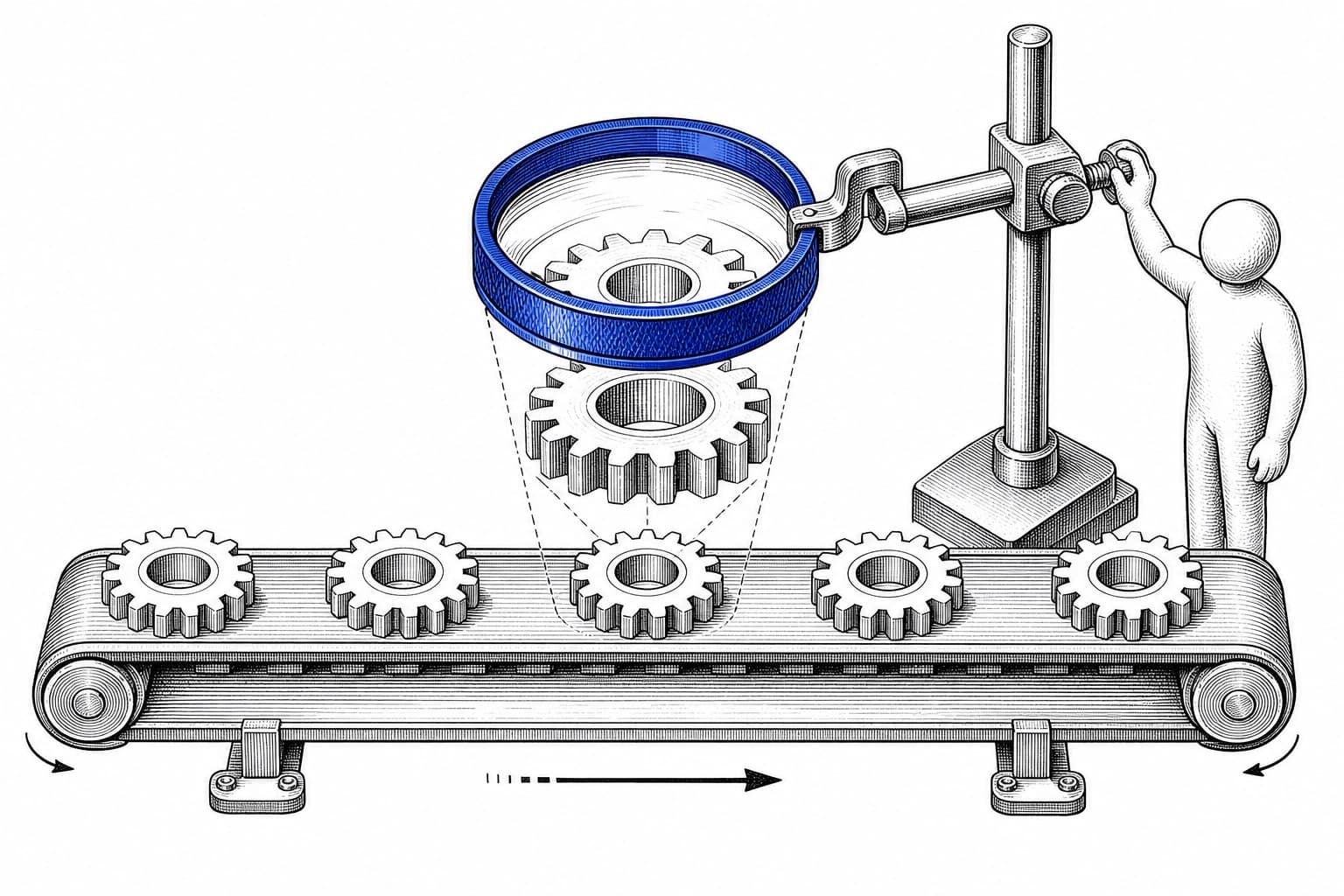
The strongest argument against leaving SaaS is a good one: custom software you don't maintain becomes a liability faster than the SaaS you left. Anyone who waves that objection away is selling you something. It deserves a real answer, not a slogan.
The real answer has four parts. First, a diagnostic that's paid and decoupled from the build, so it can conclude 'keep this tool' — an audit that only ever recommends building is a brochure. Second, ownership that's structural, not rhetorical: the code in your repository from the first commit, IP transferred on payment. Third, data that leaves through the front door — your own accounts, vendor-official export mechanisms — so the migration never violates the terms you signed. Fourth, and least glamorous: someone on the hook to run it. Patching, monitoring, incident response, compliance evidence, with a named human accountable.
Judged that way, the build-versus-buy question stops being ideological. Some tools should stay rented — deep systems of record usually should, at least at first. Contained, low-integration tools with high per-seat prices are where owned replacements genuinely pay. The line between the two is findable, tool by tool, and finding it is a job for an audit, not a landing page.